
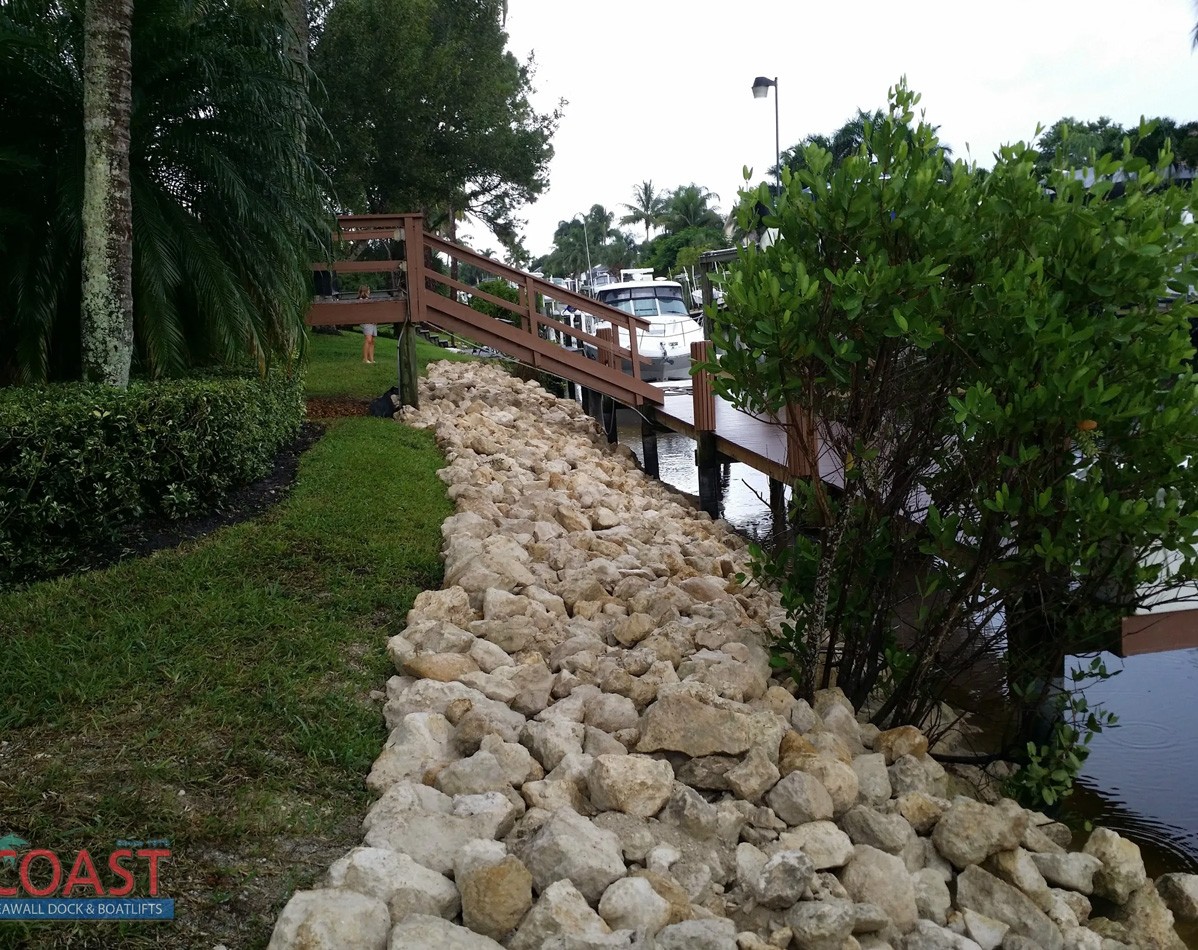
Coastal erosion is a persistent challenge that threatens properties and ecosystems along seaside areas. One effective solution to mitigate this issue is the construction of a rock sea wall. Designed to absorb and deflect the energy of the waves, rock sea walls provide a robust barrier against the relentless force of the sea. This comprehensive guide aims to offer insights into the construction process, materials, and benefits of rock sea walls, highlighting essential considerations for coastal protection.
The Role of Rock Sea Walls in Coastal Protection
Rock sea walls play a crucial role in safeguarding coastal areas from erosion and flooding. They serve multiple purposes, including:
- Protecting land and property from wave action and storm surges.
- Minimizing coastal erosion and preserving the shoreline.
- Enhancing the stability of coastal infrastructure.
For those interested in the strategic implementation of rock sea walls, discover expert strategies here.
Key Considerations in Rock Sea Wall Construction
Site Assessment and Design
Proper site assessment is critical for the successful design of a rock sea wall. This includes evaluating:
- The local wave climate and tidal conditions.
- The geomorphology of the coastline.
- Environmental and ecological impacts.
The design must align with the specific characteristics of the site to ensure the sea wall’s effectiveness and longevity. Learn about our tailored solutions for custom designs.
Material Selection
Selecting suitable materials is essential for constructing a durable sea wall. Key materials include:
- Large, angular stones or boulders for the outer layer, which help dissipate wave energy.
- Smaller rocks and gravel for the inner layers, providing stability and drainage.
- Geotextiles to prevent soil erosion and promote vegetation growth.
Understanding the role of each material is vital for creating an effective structure. Find out more about this approach to material selection.
Construction Process
The construction of a rock sea wall involves several critical steps:
- Site preparation, including excavation and grading to create a stable foundation.
- Placement of geotextiles and bedding layers to support the structure.
- Careful arrangement of rocks to form the wall, ensuring adequate coverage and interlocking.
- Regular inspections and maintenance to address any structural issues over time.
For advanced guides and tips on the construction process, explore advanced guides and tips.
Benefits of Rock Sea Walls
Rock sea walls offer numerous benefits to coastal communities, including:
- Reduced erosion rates and enhanced shoreline stability.
- Protection of coastal habitats and ecosystems.
- Aesthetic enhancement of coastal landscapes.
- Increased property values due to improved protection against natural disasters.
Emphasizing the long-term advantages of these structures, rock sea walls are a wise investment for coastal resilience. Explore advanced guides and tips to learn more about their benefits.