
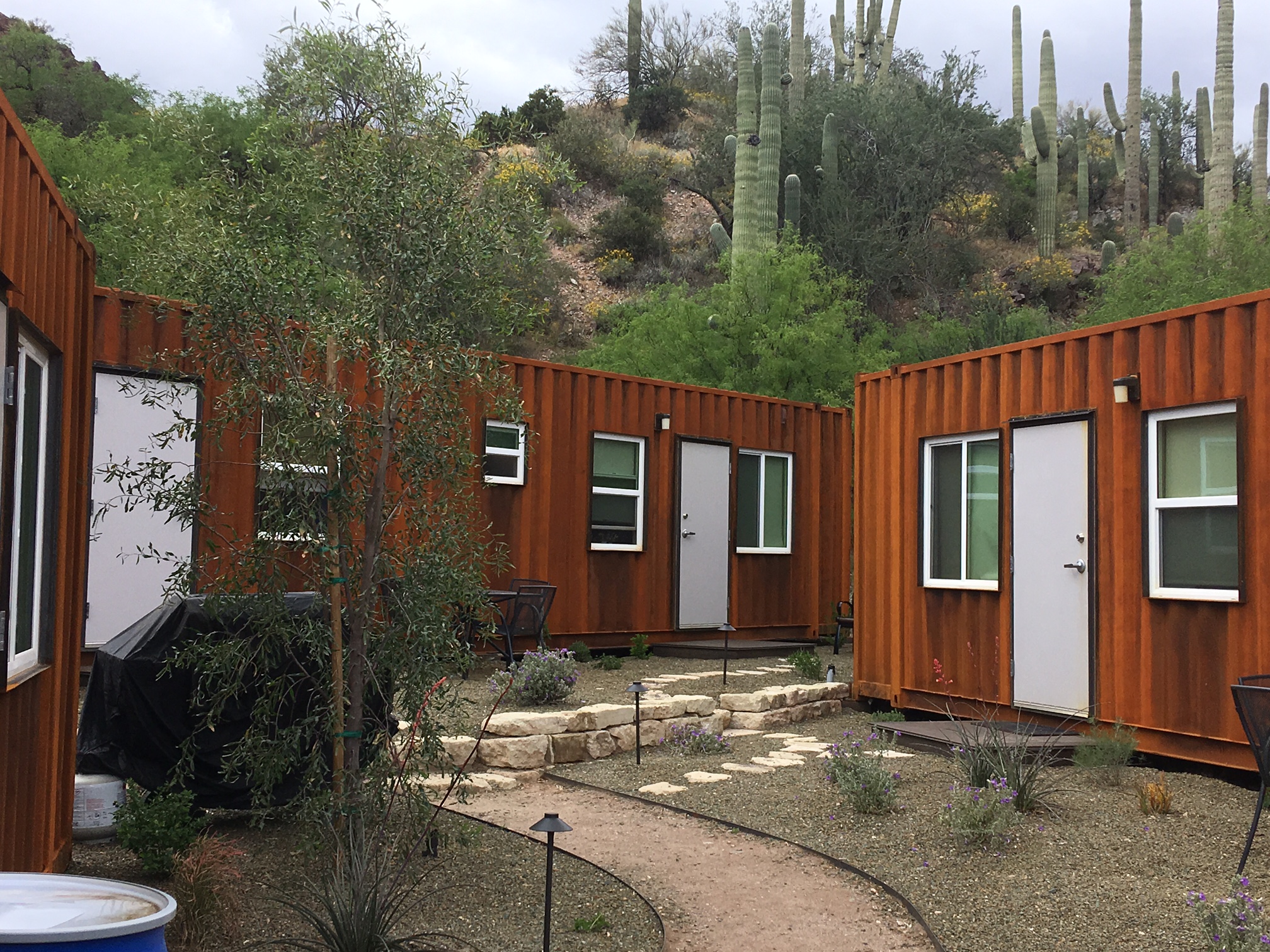
In an ever-evolving world, the demand for flexible and efficient space solutions is more pressing than ever. Temporary modular spaces have emerged as a versatile and practical option for a wide range of applications, offering endless possibilities for those who need adaptable environments without the commitment of permanent construction. From educational facilities to healthcare units, office spaces, and even residential needs, these modular structures provide an innovative approach to space management.
Understanding Temporary Modular Spaces
Temporary modular spaces are prefabricated structures that can be customized, transported, and assembled quickly and efficiently. These spaces are designed to meet specific needs and can be relocated or repurposed as required. They are a cost-effective solution for businesses and organizations needing additional space without the long-term investment of traditional construction.
Applications Across Various Sectors
The versatility of modular spaces lends itself to a myriad of uses across different industries. A few notable applications include:
- Education: Schools and universities can benefit from modular classrooms, which provide a quick solution to accommodate growing student populations.
- Healthcare: Modular healthcare units can be deployed rapidly to respond to emergencies, offering additional space for patients and medical staff.
- Commercial: Businesses can utilize these spaces as temporary offices, retail outlets, or even as pop-up shops.
- Residential: For housing needs, modular homes offer a flexible and sustainable option for those looking to expand their living space.
Each of these applications showcases the unique ability of modular spaces to adapt to specific requirements. Discover expert strategies here for implementing these solutions effectively.
Benefits of Choosing Modular Solutions
Opting for temporary modular spaces provides several key advantages:
- Efficiency: The prefabrication process allows for rapid construction and deployment, reducing wait times significantly.
- Flexibility: Modular structures can be easily modified, expanded, or relocated to suit changing needs.
- Cost-effectiveness: By minimizing construction time and labor costs, modular spaces present a budget-friendly alternative to traditional building methods.
- Sustainability: Many modular units are designed with eco-friendly materials and practices, promoting environmental stewardship.
These benefits make modular spaces an attractive option for organizations looking to optimize their resources. Learn about our tailored solutions to maximize these benefits.
Challenges and Considerations
While modular spaces offer numerous advantages, there are considerations to keep in mind:
- Site Preparation: Adequate site preparation is crucial to ensure the stability and longevity of the structure.
- Regulations: Ensure compliance with local zoning laws and building codes, which can vary significantly between regions.
- Customization Limits: Although highly adaptable, certain design modifications may be limited by the prefabrication process.
Addressing these challenges with strategic planning is essential for successful implementation. Explore advanced guides and tips for overcoming these hurdles.
Future of Temporary Modular Spaces
The future of temporary modular spaces is promising, with advancements in technology and design continually expanding their potential applications. Innovations in materials and construction methods are paving the way for even more sustainable and efficient solutions. Additionally, the growing emphasis on environmental responsibility and resource efficiency is likely to drive further adoption of modular spaces across various sectors.
For those interested in exploring the potential of modular solutions, find out more about this approach and how it can meet diverse space needs effectively.
In conclusion, temporary modular spaces offer a versatile, efficient, and sustainable solution for addressing a wide range of space requirements. Whether for educational, healthcare, commercial, or residential use, these structures present a forward-thinking approach to space management, aligning with the modern demand for flexibility and innovation.