
The Economic Benefits of Carbon Capture and Storage Technology for Industries
The increasing concern for the environment has led to a growing need for industries to adopt sustainable practices. One of the most effective ways to reduce carbon emissions is through the implementation of carbon capture and storage technology. This innovative solution not only helps in minimizing the environmental footprint but also offers economic benefits to industries. In this article, we will explore the advantages of adopting carbon capture and storage technology for industrial applications.
Reducing Emissions: A Key to Sustainability
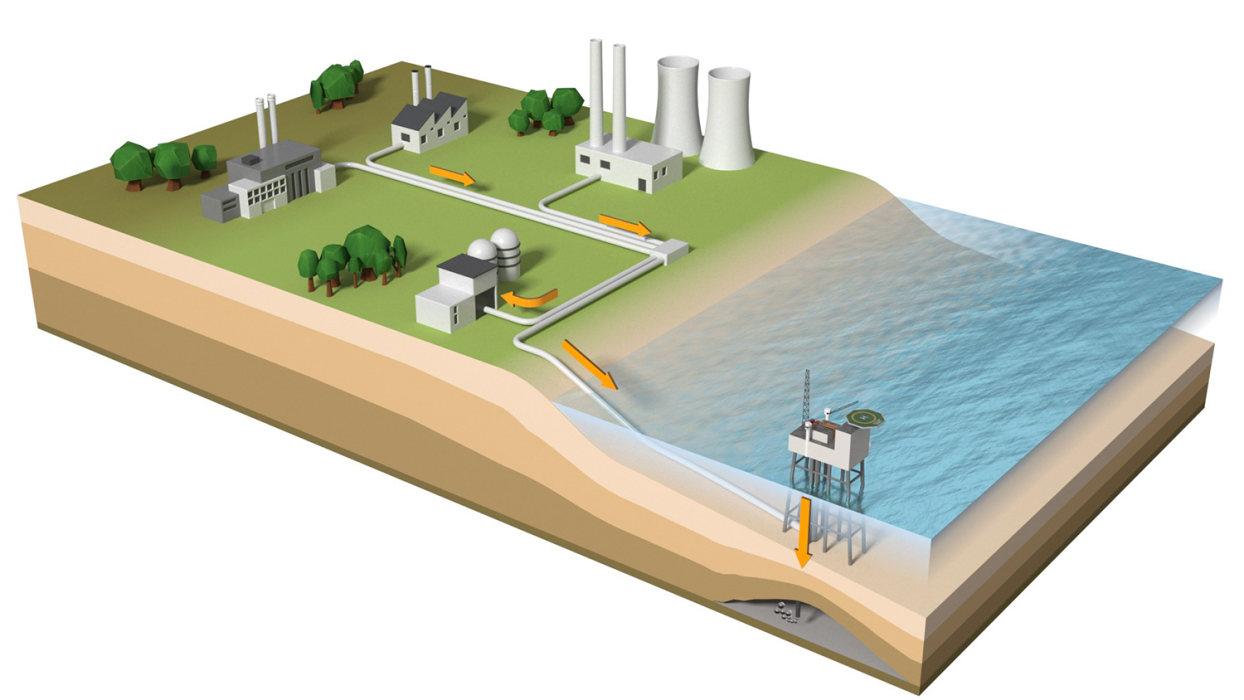
The production of goods and services by industries leads to the release of greenhouse gases, primarily carbon dioxide, into the atmosphere. This contributes to climate change, which has severe consequences for the environment and human health. Carbon capture and storage technology offers a viable solution to this problem by capturing the carbon emissions and storing them underground. This process not only reduces the amount of carbon dioxide released into the atmosphere but also helps in maintaining a sustainable environment.
Benefits of Carbon Capture and Storage Technology
The implementation of carbon capture and storage technology has numerous benefits for industries. Some of the key advantages include:
- Reduced greenhouse gas emissions: By capturing and storing carbon emissions, industries can significantly reduce their carbon footprint.
- Cost savings: The cost of implementing carbon capture and storage technology is often offset by the reduction in energy costs and the avoidance of future climate-related costs.
- Increased efficiency: Carbon capture and storage technology can improve the overall efficiency of industrial processes, leading to increased productivity and profitability.
- Enhanced reputation: Industries that adopt sustainable practices, such as carbon capture and storage technology, can enhance their reputation and improve their public image.
Real-World Applications of Carbon Capture and Storage Technology
The use of carbon capture and storage technology is not limited to specific industries. It can be applied to various sectors, including power generation, oil and gas, and industrial processes. For instance, the carbon capture and storage technology is being used to reduce emissions from industrial processes, such as cement production and steel manufacturing.
Future Prospects and Challenges
While carbon capture and storage technology offers numerous benefits, there are also challenges associated with its implementation. One of the primary challenges is the high cost of installation and maintenance. However, as the technology continues to evolve, the costs are expected to decrease, making it more accessible to industries. Additionally, the development of new technologies and innovations in the field of carbon capture and storage is expected to improve its efficiency and effectiveness.
Conclusion
The adoption of carbon capture and storage technology is crucial for industries to reduce their carbon footprint and contribute to a sustainable environment. The benefits of this technology, including reduced greenhouse gas emissions, cost savings, and increased efficiency, make it an attractive solution for industries. As the technology continues to evolve, it is expected to become more accessible and cost-effective, making it an essential component of sustainable industrial practices. By adopting carbon capture and storage technology, industries can not only reduce their environmental impact but also improve their reputation and bottom line. For more information on the latest developments in carbon capture and storage technology, visit the carbon capture and storage technology webpage.