
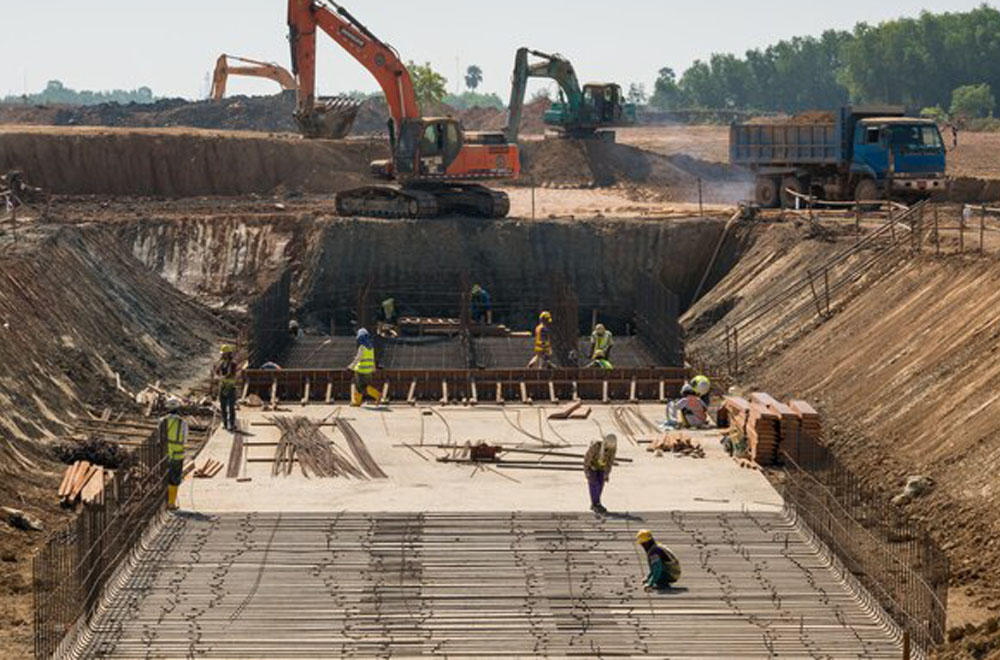
Commercial demolition is a critical phase in any redevelopment project, providing the necessary clearance for new construction, infrastructure upgrades, or site repurposing. Effective demolition not only removes existing structures safely but also minimizes environmental impact, reduces project timelines, and controls costs. By employing systematic planning, advanced equipment, and strict regulatory compliance, stakeholders can ensure that site clearance proceeds smoothly and prepares the ground for future success.
Key Considerations Before Commencing Demolition
Thorough preparation is essential to avoid costly delays and safety hazards. The following factors should be evaluated early in the project lifecycle:
- Regulatory compliance: Understand local building codes, environmental regulations, and permitting requirements.
- Site assessment: Conduct structural surveys, hazardous material testing, and utility mapping.
- Safety planning: Develop a site-specific safety plan that addresses worker protection, public safety, and emergency response.
- Environmental impact: Implement waste management strategies, recycling programs, and dust control measures.
For a deeper dive into regulatory aspects, anchor text offers comprehensive guidance.
Demolition Methods and Their Applications
Selecting the appropriate demolition technique depends on the structure type, location, and project objectives. Common methods include:
Mechanical Demolition
- Use of excavators, bulldozers, and hydraulic breakers.
- Ideal for concrete, steel, and masonry structures.
- Provides rapid material removal and high precision.
Implosion
- Strategic placement of explosives to collapse a building inward.
- Best suited for large, dense structures in confined urban areas.
- Requires extensive planning, monitoring, and safety zones.
Deconstruction
- Manual dismantling to salvage reusable components.
- Supports sustainability goals and reduces landfill waste.
- Often more time-intensive but yields higher material recovery.
To explore the advantages of each method, Read more about this topic.
Project Management Best Practices
Efficient site clearance hinges on coordinated project management. Implement the following practices to keep demolition on schedule and within budget:
- Integrated scheduling: Align demolition timelines with subsequent construction phases.
- Resource allocation: Optimize equipment usage and labor deployment.
- Risk mitigation: Conduct regular safety audits and contingency planning.
- Stakeholder communication: Maintain transparent updates with clients, regulators, and the community.
Additional guidance on managing complex demolition projects can be found by Learn more in this detailed guide.
Environmental and Waste Management Strategies
Modern demolition places a strong emphasis on sustainability. Effective waste handling reduces environmental footprints and can generate revenue through material resale.
- Recycling: Separate concrete, steel, and wood for recycling.
- Hazardous material disposal: Follow EPA guidelines for asbestos, lead, and chemicals.
- Dust suppression: Use water misting and enclosure systems.
- Energy recovery: Convert demolition debris into fuel or aggregate.
For specific recycling protocols, Explore further insights here.
Conclusion
Commercial demolition, when executed with precision and foresight, serves as the foundation for successful redevelopment. By adhering to regulatory standards, selecting suitable demolition methods, applying robust project management techniques, and prioritizing environmental stewardship, stakeholders can achieve efficient site clearance that paves the way for future growth. Continuous learning and adaptation remain essential, and reliable resources such as the referenced guide provide valuable support throughout the demolition lifecycle.