
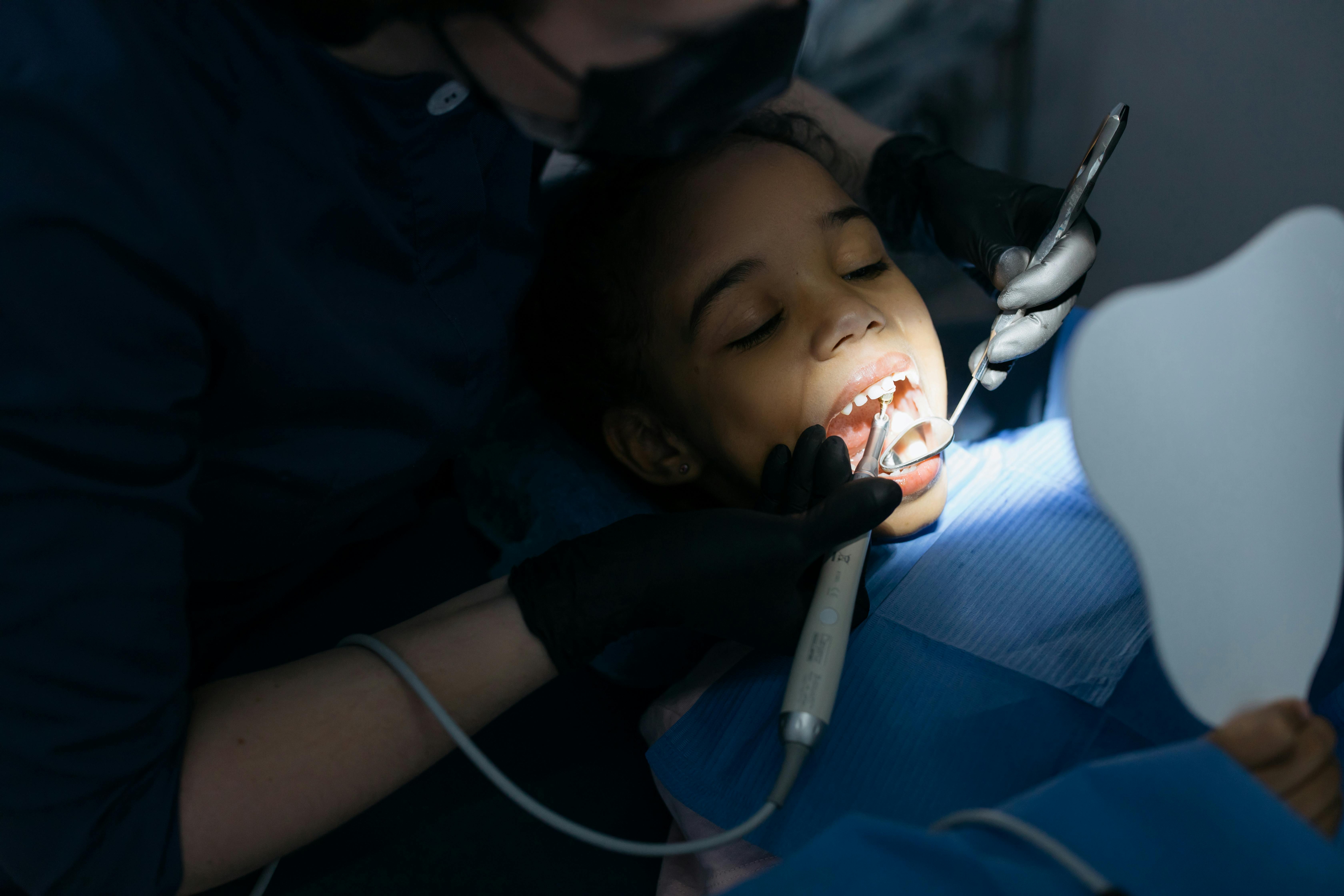
Maintaining a healthy smile goes beyond regular brushing and flossing; it often requires restorative dental services that repair damage, improve function, and enhance aesthetics. Modern dentistry offers a range of minimally invasive procedures designed to preserve natural tooth structure while delivering lasting results. This article explores the most common restorative options, the benefits they provide, and how patients can choose the right solution for long-term oral health.
Why Restorative Dentistry Matters
Tooth decay, trauma, and wear can compromise the integrity of a smile. When left untreated, these issues may lead to pain, infection, and even tooth loss. Restorative dentistry addresses these problems by:
- Reinforcing weakened tooth structure.
- Restoring proper bite alignment.
- Improving speech and chewing efficiency.
- Enhancing overall appearance and confidence.
By intervening early, patients can avoid more extensive and costly procedures later in life.
Key Restorative Procedures
Dental Fillings
Fillings are the first line of defense against cavities. Contemporary composite resins bond directly to the tooth, offering a natural look and strong durability. Benefits include:
- Quick, single-visit treatment.
- Preservation of healthy tooth tissue.
- Stain-resistant materials that match tooth color.
For a deeper dive into material selection, Discover expert strategies here.
Crowns and Bridges
When a tooth is severely damaged, a crown, often called a “cap”, provides full coverage and protection. Bridges replace one or more missing teeth by anchoring to adjacent crowns. Advantages include:
- Restored strength and function.
- Improved bite stability.
- Customizable aesthetics with porcelain or zirconia.
Patients interested in the latest crown technologies can Learn about our tailored solutions.
Root Canal Therapy
When decay reaches the pulp, a root canal removes infected tissue and seals the canal to prevent reinfection. This procedure saves the natural tooth and eliminates pain. Key points:
- Preserves the original tooth structure.
- Reduces the need for extraction.
- Often followed by a crown for added protection.
Dental Implants
Implants offer a permanent solution for missing teeth, acting as artificial roots that fuse with bone. They support crowns, bridges, or dentures, delivering stability comparable to natural teeth. Benefits include:
- Long-term durability.
- Prevention of bone loss.
- Enhanced comfort and chewing efficiency.
For a comprehensive guide on implant care, Explore advanced guides and tips.
Choosing the Right Restorative Option
Selecting a treatment plan depends on several factors, such as the extent of damage, budget, and personal preferences. Consider the following checklist:
- Extent of decay or damage: Minor cavities may only need fillings, while extensive loss may require crowns or implants.
- Location of the tooth: Front teeth prioritize aesthetics; back teeth prioritize strength.
- Oral health status: Healthy gums and bone density are essential for implants.
- Financial considerations: Discuss payment options and insurance coverage early.
Post-Treatment Care for Longevity
Regardless of the procedure, proper aftercare maximizes the lifespan of restorations. Recommended practices include:
- Maintain diligent oral hygiene with fluoride toothpaste.
- Avoid excessive force on new restorations for the first 24-48 hours.
- Limit consumption of staining foods and beverages.
- Schedule regular dental check-ups for professional monitoring.
Additional maintenance tips can be found by Find out more about this approach.
Conclusion
Restorative dental services play a vital role in preserving a healthy, functional, and attractive smile. By understanding the available options, fillings, crowns, root canals, implants, and more, patients can make informed decisions that support long-term oral health. Partnering with skilled dental professionals ensures that each treatment is tailored to individual needs, delivering results that are both durable and aesthetically pleasing.