
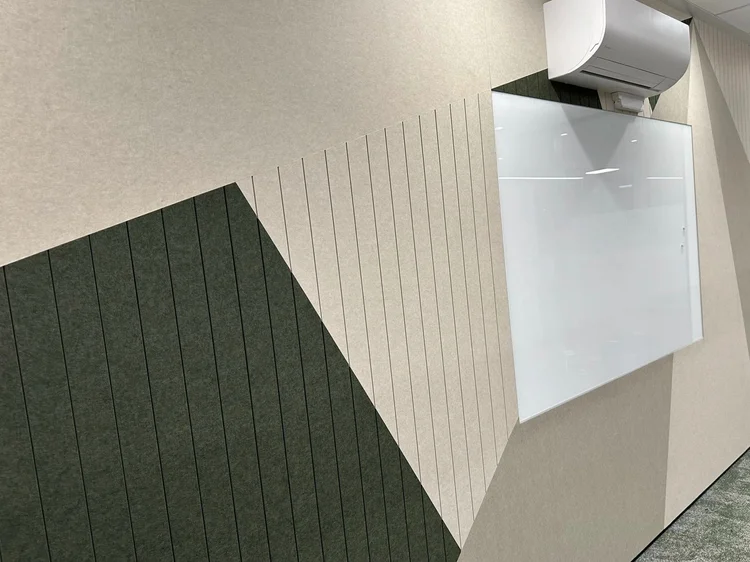
In a world where noise pollution is increasingly becoming a concern, the demand for effective noise reduction solutions is more critical than ever. Noise reduction panels have emerged as a practical solution for both residential and commercial settings. These panels are designed to minimize sound transmission, creating a more serene and productive environment. This article delves into the various aspects of noise reduction panels, their benefits, and considerations for choosing the right type for specific needs.
Understanding Noise Reduction Panels
Noise reduction panels are materials engineered to reduce the amount of sound that travels through walls, ceilings, and floors. They are typically made from materials that absorb sound waves, such as foam, fiberglass, or fabric. The panels can be installed in various settings, from home theaters to office spaces, to enhance acoustic comfort.
Types of Noise Reduction Panels
There are several types of noise reduction panels, each suited for different applications:
- Acoustic Foam Panels: These are lightweight and easy to install. They are ideal for small spaces such as recording studios or home offices.
- Fiberglass Panels: Known for their high sound absorption capabilities, fiberglass panels are often used in commercial settings.
- Fabric-Wrapped Panels: These offer aesthetic appeal alongside sound absorption and are suitable for areas where design is a priority.
- Wooden Panels: These provide a natural look and are often used in spaces where both sound control and aesthetics are important.
Benefits of Noise Reduction Panels
Installing noise reduction panels brings several benefits to any environment:
- Improved Sound Quality: By minimizing echoes and unwanted noise, these panels enhance the clarity of sound in a room.
- Increased Privacy: Soundproofing panels help prevent conversations from being overheard, which is crucial in office settings.
- Enhanced Concentration: Reduced noise levels lead to fewer distractions, thereby improving productivity.
- Better Health: Lower noise levels contribute to reduced stress and improved overall well-being.
For further insights on how noise reduction panels can benefit various environments, read more about this topic.
Considerations When Choosing Noise Reduction Panels
Selecting the right noise reduction panels involves several considerations to ensure optimal effectiveness:
- Purpose: Determine whether the goal is sound absorption, soundproofing, or both.
- Space: Consider the size and acoustics of the area where the panels will be installed.
- Material: Choose materials that meet both functional and aesthetic requirements.
- Budget: Evaluate cost-effectiveness against performance needs.
Installation Tips
Proper installation is key to maximizing the effectiveness of noise reduction panels:
- Placement: Panels should be strategically placed to cover major reflective surfaces.
- Coverage: Ensure sufficient coverage for the best results, particularly in larger spaces.
- Professional Installation: For complex projects, consider hiring a professional to ensure optimal placement and performance.
To learn more in this detailed guide about installation and selection, visit the provided link.
Conclusion
Noise reduction panels are an effective solution for managing sound within various environments. By understanding the different types of panels and their respective benefits, individuals and businesses can make informed decisions to enhance acoustics effectively. Explore further insights here to find the ideal noise control solutions tailored to specific needs.