
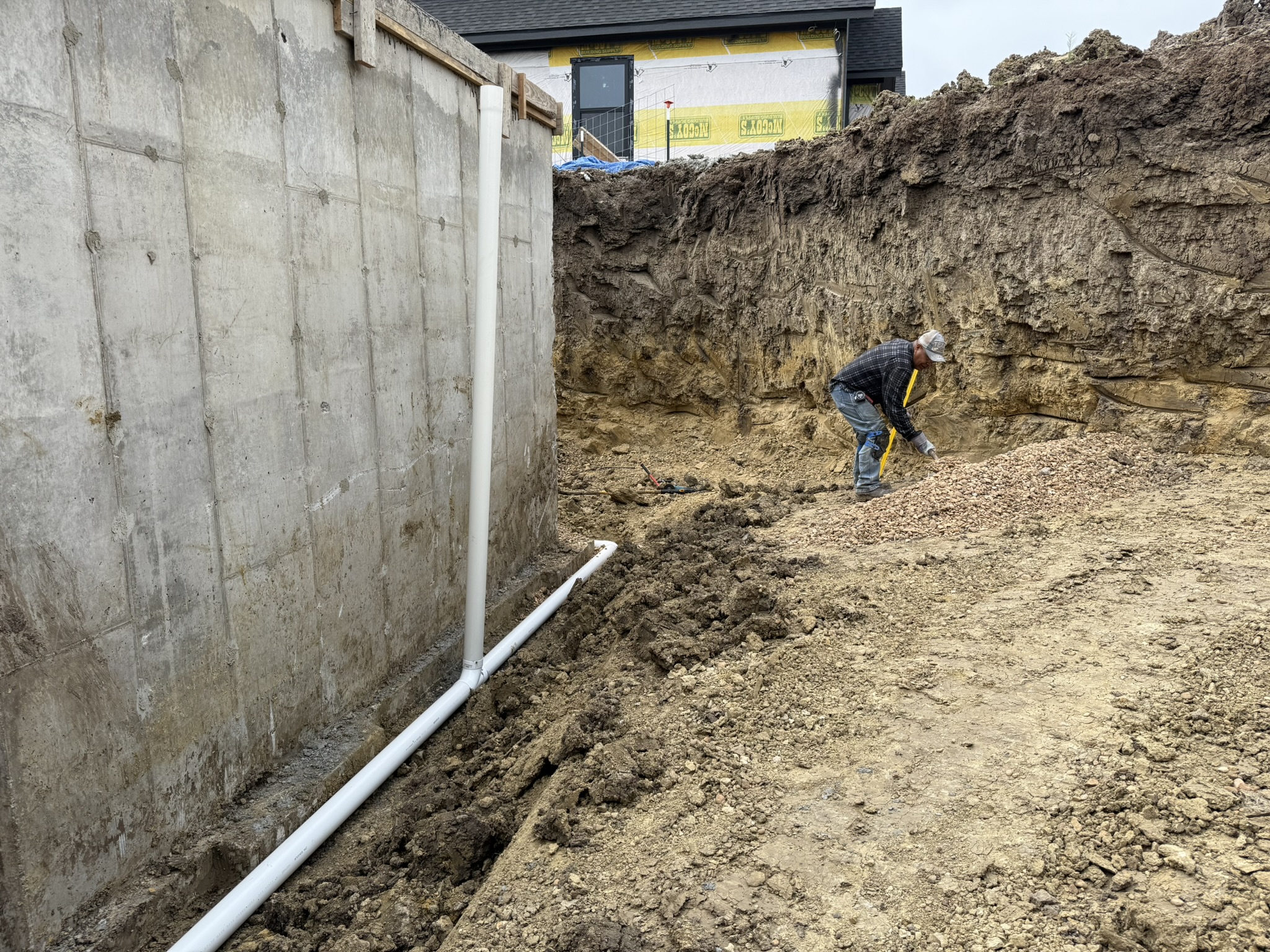
Basements are valuable extensions of living space, offering storage, recreation, and even additional bedrooms. However, they are also the most vulnerable part of a house when it comes to moisture intrusion. Water can seep through cracks, rise from the soil, or enter during heavy rain, leading to mold, structural damage, and a decline in indoor air quality. Protecting a home with professional basement waterproofing not only safeguards the investment but also ensures a healthy environment for occupants. Understanding the science behind water movement, the range of remediation techniques, and the long-term benefits of a properly sealed foundation is essential for any homeowner seeking lasting protection.
Why Basement Waterproofing Matters
Moisture problems rarely resolve themselves; they tend to worsen over time. When water infiltrates a basement, the consequences extend beyond a damp wall:
- Structural Integrity: Continuous exposure to water can erode concrete, weaken load-bearing walls, and cause foundation settlement.
- Mold & Mildew Growth: Damp conditions create an ideal breeding ground for fungi, which can trigger respiratory issues.
- Property Value: Buyers often view water-damaged basements as a red flag, reducing market appeal and resale price.
- Energy Efficiency: Wet insulation loses its R-value, leading to higher heating and cooling costs.
Core Components of a Professional Waterproofing System
Exterior Foundation Seal
The most effective barrier starts outside the home. An exterior seal involves excavating around the foundation, cleaning the surface, and applying a high-performance coating or membrane. This method prevents water from ever reaching the basement wall.
Interior Drainage Solutions
When exterior work is impractical, interior systems provide a secondary line of defense. Common techniques include:
- Installation of a perimeter French drain that channels water to a sump pump.
- Application of a waterproofing paint or sealant on interior walls.
- Use of vapor barriers to inhibit moisture migration through concrete.
Sump Pump & Backup Power
A reliable sump pump removes accumulated water before it can cause damage. Pairing the pump with a battery backup or generator ensures operation during power outages, a critical consideration during severe storms.
Assessing the Right Solution for Your Home
Every property presents a unique set of challenges based on soil type, water table level, and construction methods. A thorough inspection should evaluate:
- Cracks or gaps in foundation walls and floors.
- Signs of hydrostatic pressure such as bowing walls.
- Existing drainage systems and their condition.
- Historical moisture patterns in the surrounding yard.
For a detailed walkthrough of assessment techniques and recommended remedies, Discover expert strategies here.
Benefits of Choosing Professional Expertise
While DIY kits are widely marketed, they often address only surface symptoms. Professional services bring:
- Specialized equipment for deep excavation and precise membrane placement.
- Industry-certified materials that meet or exceed building code standards.
- Experience in diagnosing hidden issues such as soil movement or faulty drainage.
- Long-term warranties that protect the homeowner’s investment.
To explore how tailored solutions can be matched to a specific property, Learn about our tailored solutions.
Maintenance Practices to Extend Waterproofing Life
Even the best waterproofing system requires regular attention. Simple maintenance tasks can dramatically extend the lifespan of the installation:
- Inspect and clean the sump pump discharge line at least twice a year.
- Test the pump’s operation before the rainy season.
- Check exterior grading to ensure water flows away from the foundation.
- Monitor interior walls for new cracks or discoloration.
For an ongoing checklist and advanced tips, Explore advanced guides and tips.
Cost Considerations and Return on Investment
Investing in professional basement waterproofing may seem substantial upfront, but the financial benefits become evident over time. Reduced repair costs, lower utility bills, and increased property value often offset the initial expense within a few years. Additionally, many insurance providers offer reduced premiums for homes with documented moisture mitigation measures.
If budgeting is a concern, a thorough cost-benefit analysis can be found by Find out more about this approach, which outlines typical price ranges and expected savings.
Choosing the Right Partner
Selecting a reputable contractor involves more than just price comparison. Key factors include:
- Licensing and certification specific to waterproofing.
- Positive client testimonials and case studies.
- Transparent project timelines and detailed written proposals.
- Commitment to post-installation support and warranty fulfillment.
A professional who adheres to these standards will deliver a solution that protects the home for decades.
Conclusion
Basement waterproofing is a critical component of home preservation, offering protection against structural damage, health hazards, and financial loss. By understanding the mechanisms of water intrusion, employing comprehensive exterior and interior systems, and partnering with experienced specialists, homeowners can secure their investment and enjoy a dry, healthy living environment. For further reading and to stay updated on the latest waterproofing innovations, visiting trusted resources such as Discover expert strategies here is highly recommended.